How Propaganda Works: Presenting a New Simulation Game
Working on investigations into propaganda-related crimes, we at LingvaLexa constantly find ourselves asking the same question: how can information campaigns have such a powerful impact on the way people perceive reality?
Time and again, we see real societal challenges, conflicts, emotions, and fears being weaponized for manipulation. Through our research and investigations, we examine how propaganda spreads across the information space and repeatedly come to the same conclusion: critical thinking is no longer just a useful skill – it is a necessity.
At the same time, we increasingly found ourselves questioning whether traditional lectures, presentations, and trainings are enough. Explaining how propaganda works is one thing. Giving people an opportunity to experience these mechanisms firsthand and see them from the inside is something entirely different.
That is why Anna Vyshniakova, Head of LingvaLexa, together with Aliona Romaniuk – Editor-in-Chief of the fact-checking projects On the Other Side of Putin's Lies and NotaEnota, media trainer, and media expert – developed a simulation game focused on information attacks, manipulation, and the mechanisms of disinformation.
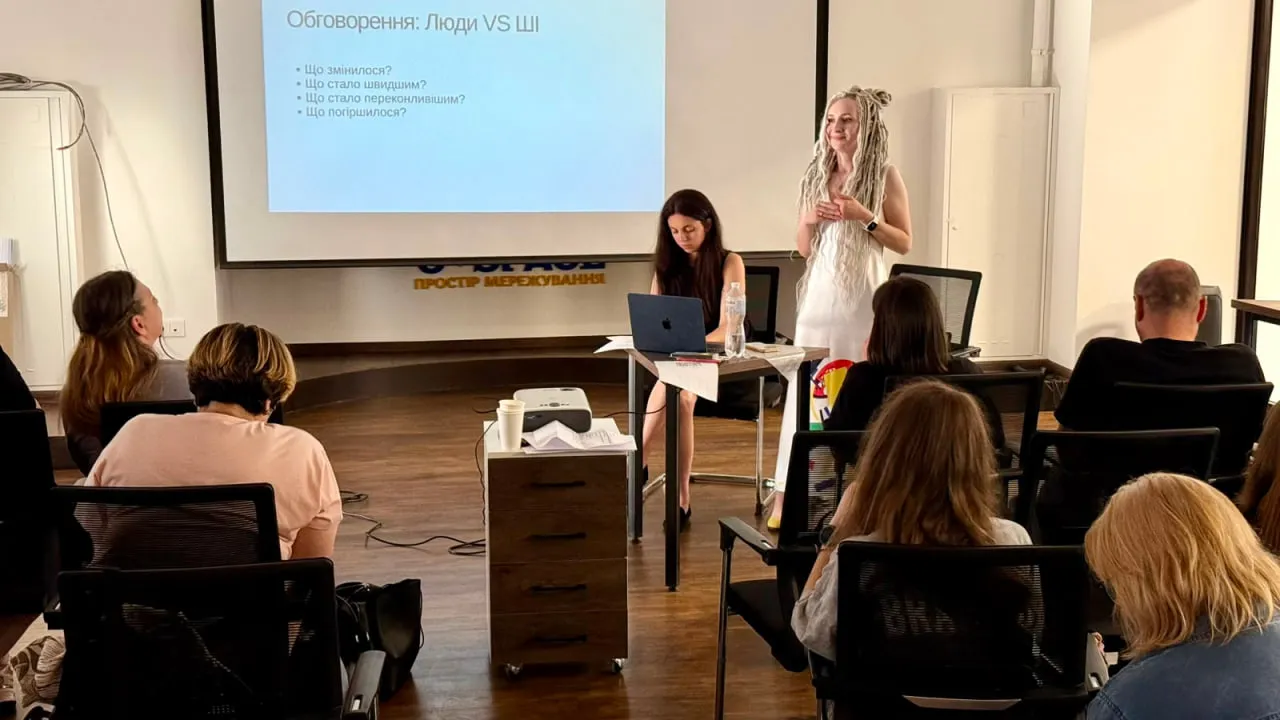
Last week, we conducted the first pilot session. The game was designed to recreate the very mechanisms we encounter in our investigations and research every day: how information campaigns are built, how vulnerable topics are identified and exploited, and how individual messages can gradually evolve into large-scale information waves.
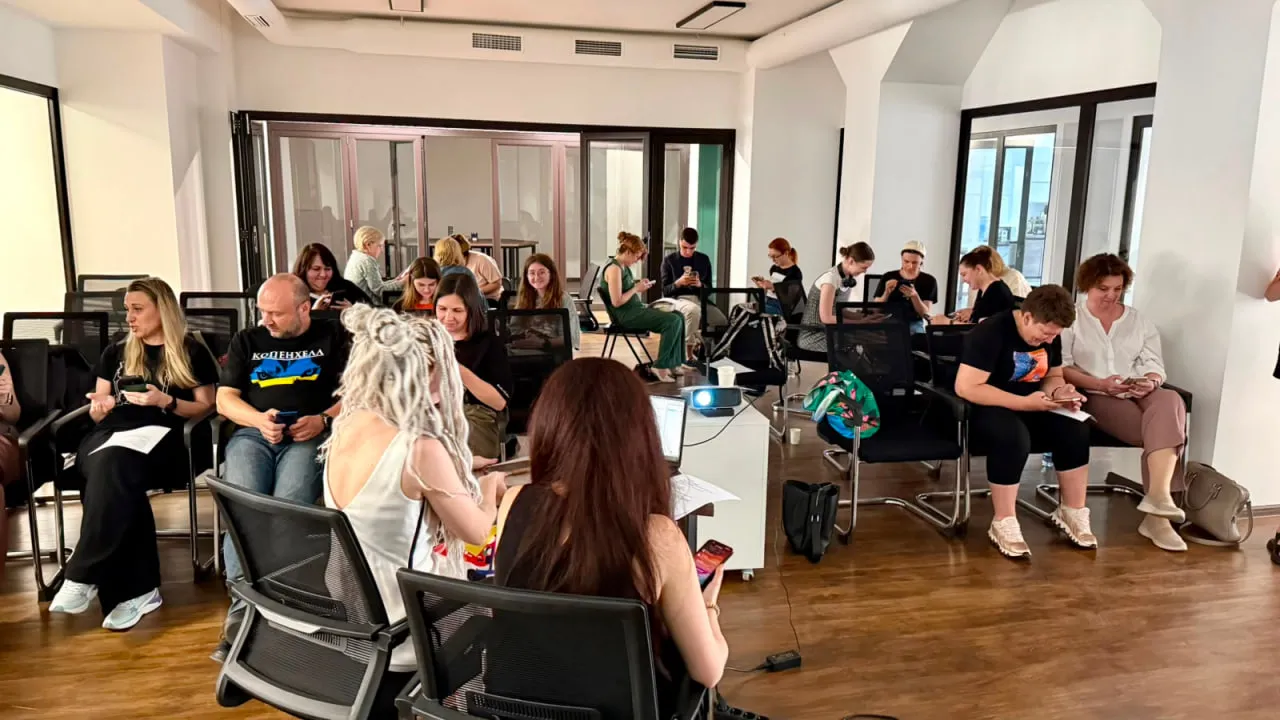
Participants worked in teams, each assigned specific roles and objectives. This allowed them to see firsthand how Russia exploits real social issues and public debates in Ukraine to conduct information attacks and create chaos in the information environment.
Equally important was the realization of how ordinary people themselves can unintentionally amplify information campaigns through comments, reposts, and online disputes. We also explored the role of artificial intelligence, particularly how AI tools can be used to scale disinformation efforts and automate information attacks.
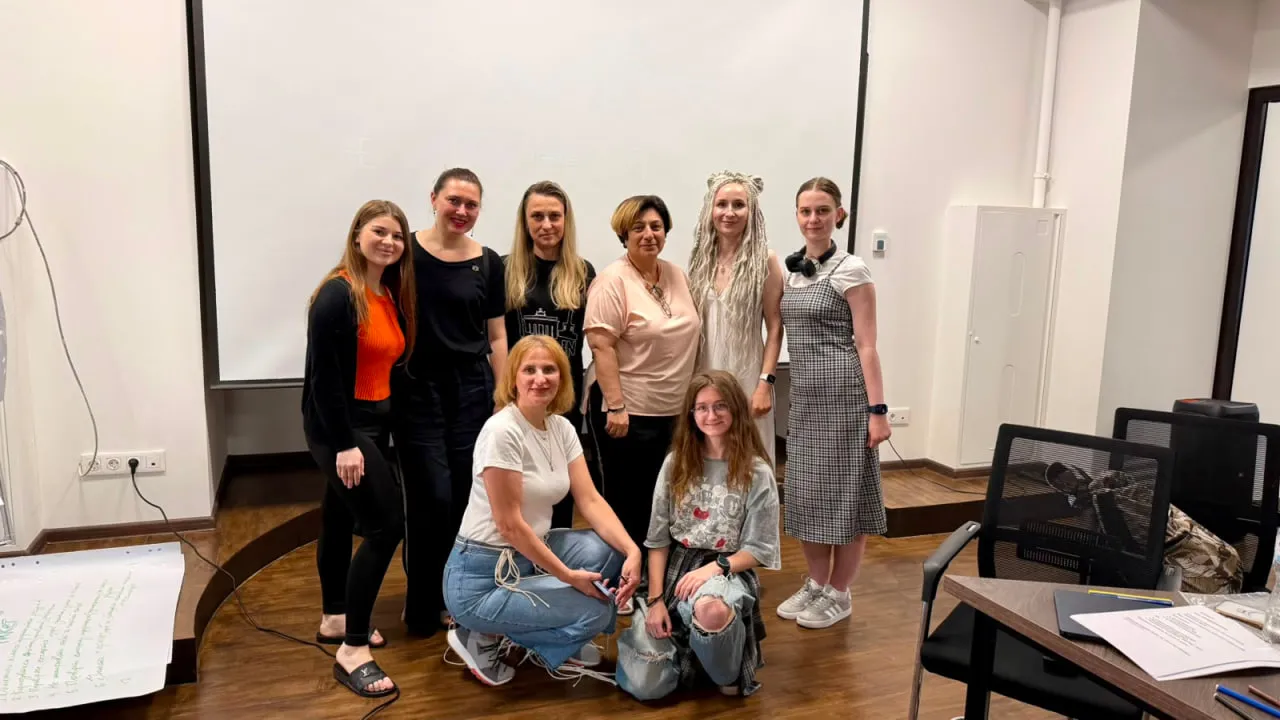
One of the most valuable aspects of the pilot was the diversity of participants: experts in communications, counter-disinformation, sociology, mathematics, and political science, as well as policymakers and representatives of civil society organizations. We are grateful to all participants for their openness, critical thinking, and willingness to experiment alongside us. We would also like to thank everyone who applied to take part. The level of interest exceeded our expectations and reinforced our belief that this work should continue.
Even after the game ended, discussions continued for a long time. The topic clearly resonated with participants and sparked important conversations. We are already working on future iterations and new formats because talking about propaganda is not enough – people need opportunities to see how it works in practice.